Last Good Time
David Ford
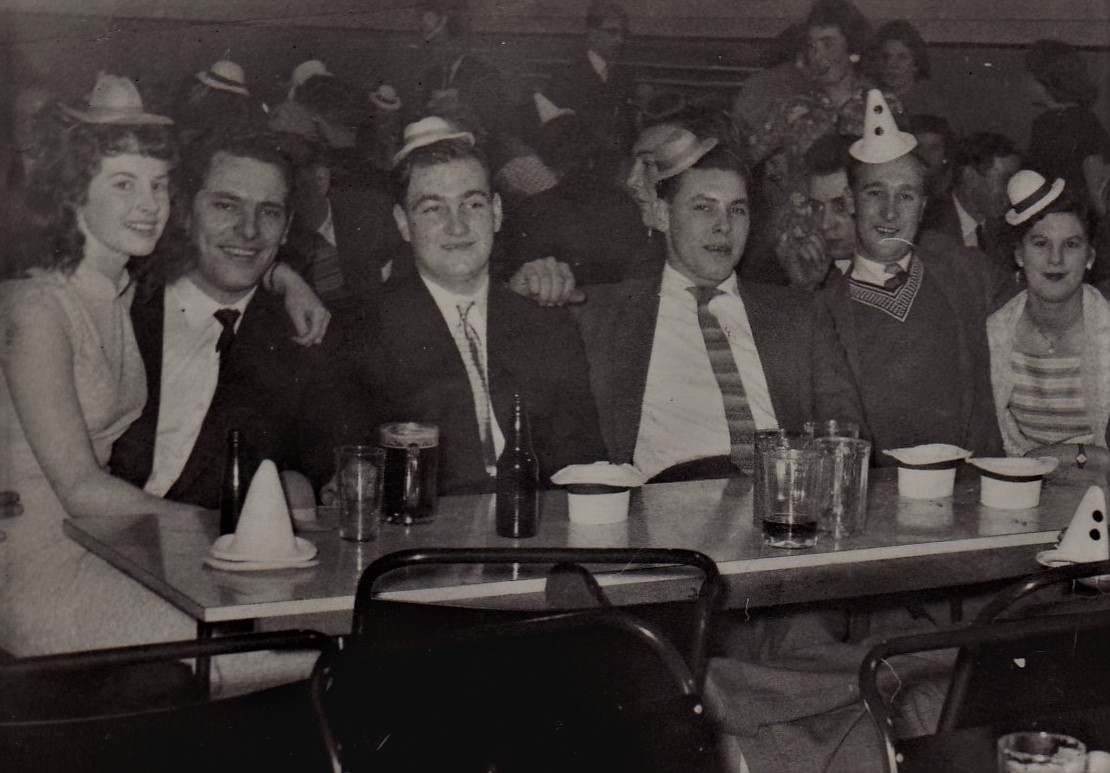
The saddest photographs are always of our happiest times, those nights when everything clicked, the booze ran freely, and we laughed without restraint. The reason why these pictures are so poignant is because we know that the moment of happiness they depict has gone forever. The pictures are physical reminder of better times.
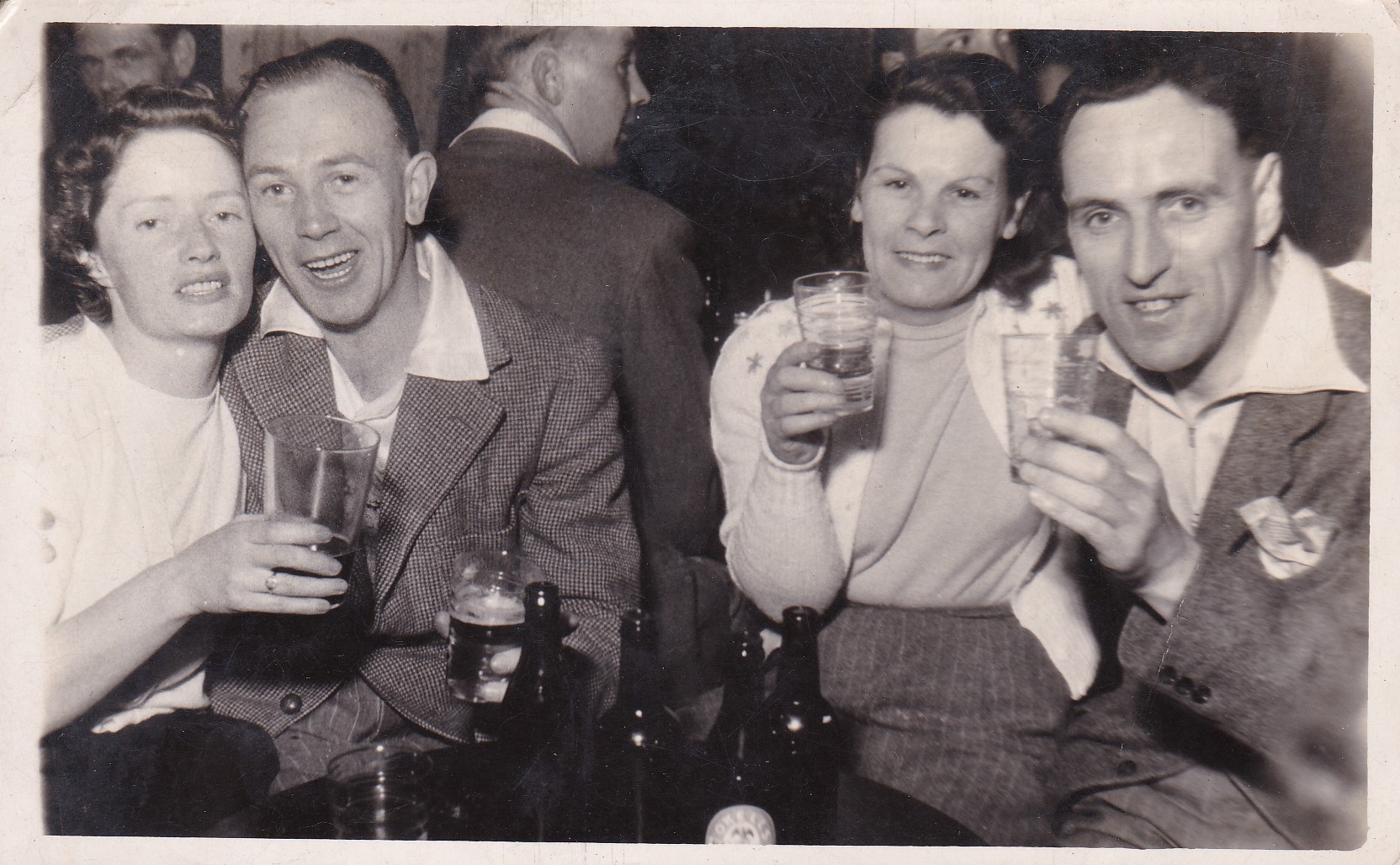
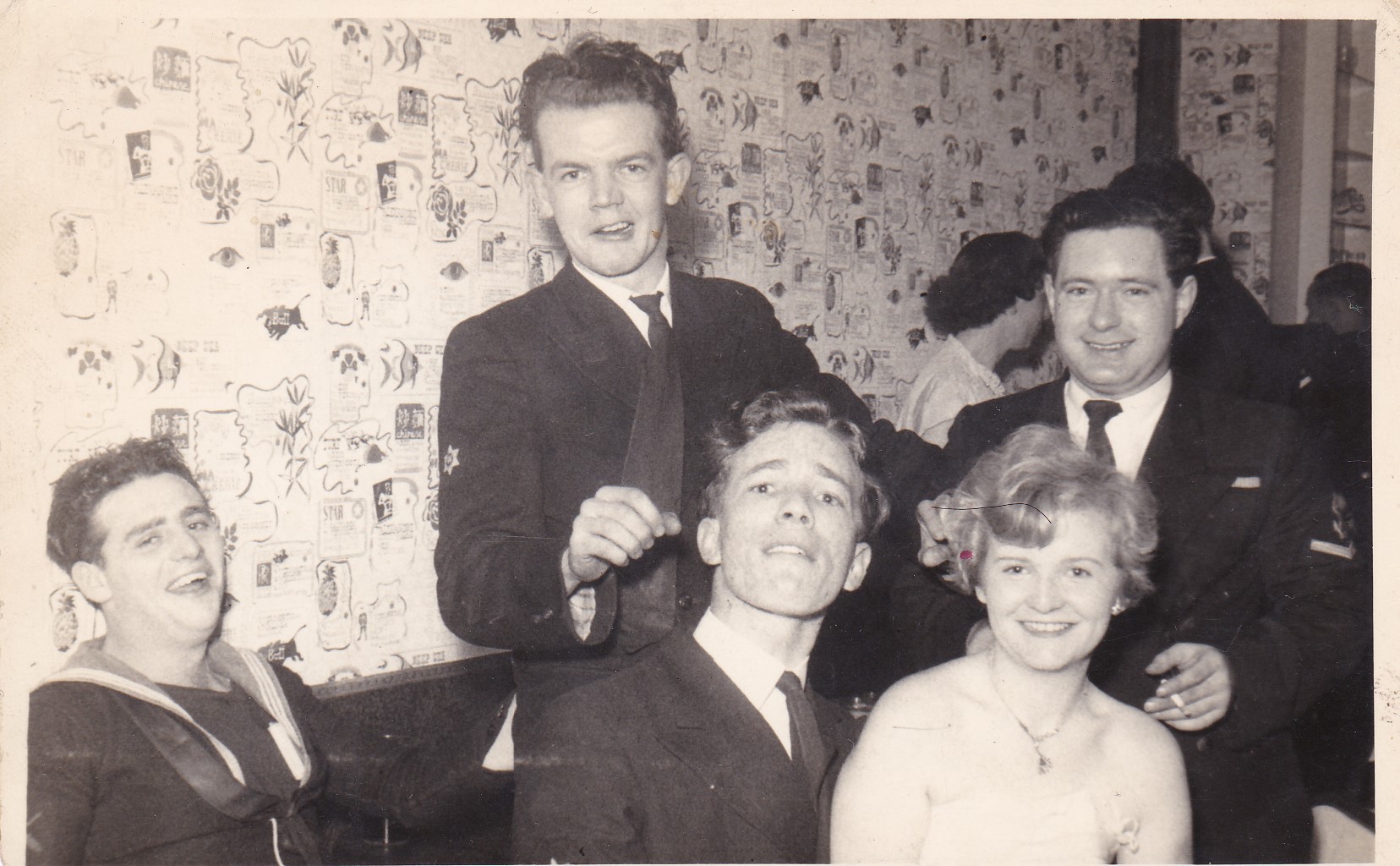
That is why old photographs of people drinking in bars can still move us. These pictures were taken by ‘snappers’ who worked the pubs and clubs photographing customers and selling them prints as a memento of their night out. They were often the same photographers who took snaps at tourist sites during the day. The poses in these photographs are usually the same, the revellers stand together in a row or sit behind tables laden with drink as the snapper asks them to smile for the camera.

These photographs are not trying to be works of art or to document the social scene. They were taken quickly with little arrangement of the sitters and no manipulation of the image. There are no fancy angles or clever lighting. They are taken from the front with enough distance to place the subjects in context but not so far away that they get lost in their surroundings. There is no attempt to capture the candid moment, or to tell a story or make a point. There is no message behind them.
The pictures were taken with the knowledge of the sitters and they pose for the camera. Everyone smiles. Some of the men goof around or put their arms around the women or raise a glass as if to say cheers.
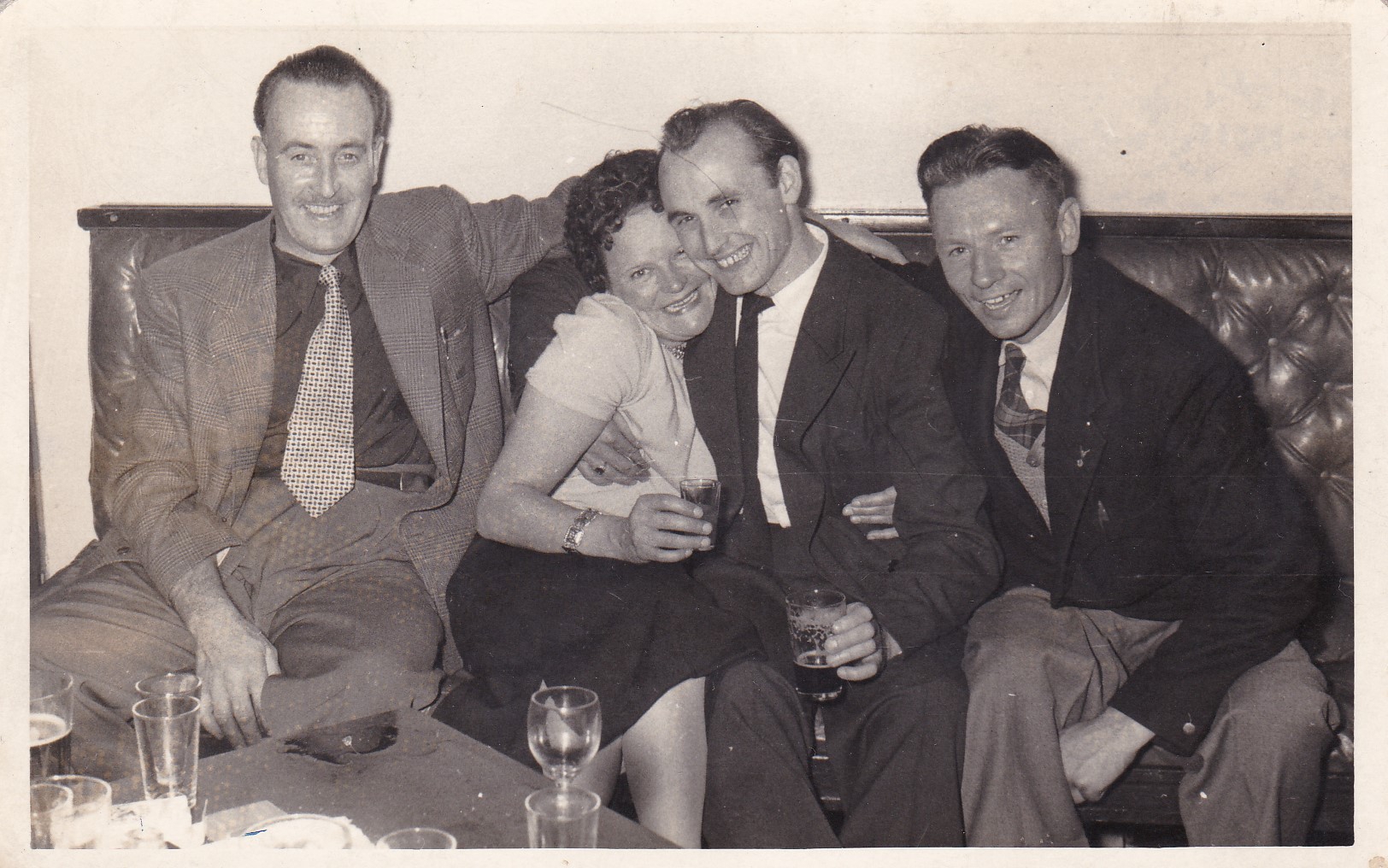
The men all look the same, older than their years with slicked back hair. They are clean shaven and wear jackets and ties. The women too are dolled up for a night out, their hair permed, their mouths ringed with lipstick. The faces are bleached and flattened by the cameras flash. The revellers know the night will end but their expressions are asking, not yet, please not yet.
There is no before and after in these photographs, no chat up line or hangover. They are simply the record of a moment caught in the camera’s flashlight. They are all that will be left when the night out is long forgotten, images of laughter frozen forever in black and white.
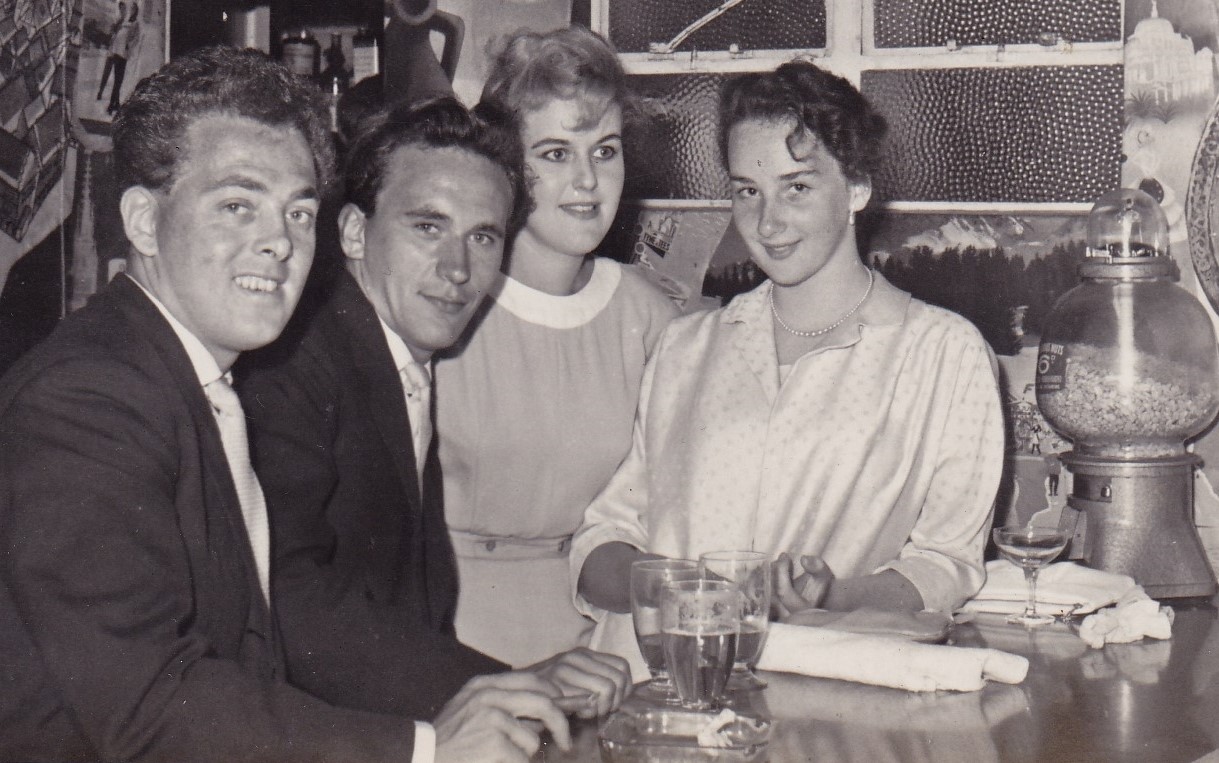
In most cases, these pictures are of people who are now dead. The photographs are not a memory but a fragment of past reality. They show places and people we do not know. They record a time that is now history.
We can try not to be sentimental about these images but it is tempting to look at the pictures with a certain nostalgia and to dwell on a happiness that has disappeared. We know that times were hard when these pictures were taken and that the people in them were probably seeking a temporary escape from the harsh realities of life.
Perhaps we comfort ourselves that this was a less judgemental time when a night out could simply be enjoyed rather than shared and commented on. The photographs themselves were probably rarely looked at – it is often too painful or embarrassing to be reminded of our younger, happier, selves. They would have been forgotten, along with the snapshots of holidays and weddings and children in a box at the back of the wardrobe.
And yet there is something about these photographs that sets them apart from the other pictures that catalogue our lives. It is a sense that they record pleasure for its own sake, that they capture a moment of joy snatched from the grind of daily life. That here, briefly, was a good time that was special enough to be worth remembering.